
Open Mouth Drawing Reference
Open Mouth Drawing Reference - Work from reference photos to sharpen your observational skills. Web we must study the cupid’s bow (1), the commissures (or where the top and bottom lips connect) (2), the philtrum (the skin connecting the nose to the mouth) (3), the central tubercles (the bottom of the lip under the cupid’s bow) (4), the upper lip (5), and the lower lip (6). If you bare just the rear teeth, you can show confusion, embarrassment, anger, etc. Get as much reference as you can and imagine where cubes and other blocks could fit there and draw with them. In anime and manga, most partly open or wide open drawings of a mouth will create obtuse angles at the left and right edges of the mouth. See more ideas about face drawing reference, face expressions, art reference photos. These two commas will to a large extent eventually determine the overall expression of the mouth. The same applies when looking at the face from different angles. Practice these and keep them for reference when you are drawing cartoons and illustrations of people. They will immediately add life to your smile drawing. If you bare just the rear teeth, you can show confusion, embarrassment, anger, etc. Web adding skin on top of the mouth drawing. And don’t shy away from constructive critique—gives you new perspectives to learn from. These two commas will to a large extent eventually determine the overall expression of the mouth. Draw circle to set position of a head and attach blocks to it. Start with the tooth at one end of the mouth, and draw a shallow arc over it. Then, add in a sweeping “u” shape line to represent the bottom portion of the bottom lip, connecting them. Make sure you draw the main features of. Shade in the gums and mouth. Carefully observe how these obtuse angles change based on the expression. Then, add two small marks or shading to the corners of the lips to signify the nodes. Web we must study the cupid’s bow (1), the commissures (or where the top and bottom lips connect) (2), the philtrum (the skin connecting the nose to the mouth) (3), the central tubercles (the bottom of the lip under the cupid’s bow) (4),. Carefully observe how these obtuse angles change based on the expression. Repeat for the rest of the teeth. See more ideas about face drawing reference, face expressions, art reference photos. Draw an arc above each tooth for the gums. Have the peak of the arc line up with the bottom of the upper lip. Tools:adobe photoshop cs6wacom cintiq 22hdcamtasia studio for free art resources, like photoshop brushes, ref. Then, draw in your mouth corners. Web with your pencil and sketchbook, begin first by drawing in the cupid’s bow. Web that is why i have put together the following 7 cartoons, comics, and illustrative mouths and lips reference sheets.make sure to print out these cartoon. In anime and manga, most partly open or wide open drawings of a mouth will create obtuse angles at the left and right edges of the mouth. Web with your pencil and sketchbook, begin first by drawing in the cupid’s bow. Work from reference photos to sharpen your observational skills. Start off by drawing a simple nose and then drawing. The first step when drawing an open mouth is to draw the basic outline. Get as much reference as you can and imagine where cubes and other blocks could fit there and draw with them. Web practice, then practice some more. Then, draw in your mouth corners. Web how to draw a mouth sketch step by stepwith this open mouth. Varying these elements will then produce several lip designs. Web we must study the cupid’s bow (1), the commissures (or where the top and bottom lips connect) (2), the philtrum (the skin connecting the nose to the mouth) (3), the central tubercles (the bottom of the lip under the cupid’s bow) (4), the upper lip (5), and the lower lip. See more ideas about mouth drawing, open mouth drawing, face expressions. The first step when drawing an open mouth is to draw the basic outline. Web explore a collection of creative open mouth drawing reference ideas to enhance your artwork. Carefully observe how these obtuse angles change based on the expression. Draw an arc above each tooth for the gums. Tools:adobe photoshop cs6wacom cintiq 22hdcamtasia studio for free art resources, like photoshop brushes, ref. This is a really extreme pose, and the teeth will naturally be showing on both the top and bottom. Make sure that the lines of the “v” are not straight, but curved slightly downwards. Then, draw in your mouth corners. They will immediately add life to. Draw the bottom line of the upper lip as before, but this time, make sure to lift the corners of the line into a slight smile. Get as much reference as you can and imagine where cubes and other blocks could fit there and draw with them. Web this is a tutorial on how to draw open mouths. Web with. If you make this pose yourself and try to cover your. Web the key to drawing a great open mouth is in the details. Make sure that the lines of the “v” are not straight, but curved slightly downwards. Carefully observe how these obtuse angles change based on the expression. Start off by drawing a simple nose and then drawing. Have the peak of the arc line up with the bottom of the upper lip. The same applies when looking at the face from different angles. On each of the two outer edges we add a comma: Draw the bottom line of the upper lip as before, but this time, make sure to lift the corners of the line into a slight smile. Web when drawing the mouth of your snout opening wider, you can change the shape of the side of the mouth to alter the meaning. Repeat for the rest of the teeth. Practice these and keep them for reference when you are drawing cartoons and illustrations of people. They will immediately add life to your smile drawing. Draw circle to set position of a head and attach blocks to it. These two commas will to a large extent eventually determine the overall expression of the mouth. Pay attention to the small features—like facial wrinkles, contrast of highlights, and the creases of the lips. Then, add two small marks or shading to the corners of the lips to signify the nodes. Remember, draw what you see! Web with your pencil and sketchbook, begin first by drawing in the cupid’s bow. Carefully observe how these obtuse angles change based on the expression. Even if the subject you're drawing has smaller, thicker, thinner, or fuller lips, there are likely still varied contours in comparison to the surrounding parts of the face.
Mouth Drawing Reference and Sketches for Artists

Mouth Drawing, Drawing Base, Gesture Drawing, Eye Drawing, Manga

Drawing mouth Art reference, Art tutorials drawing, Mouth drawing

How to Draw an Open Mouth Mouth painting, Open mouth drawing, Lips

Mouth Reference by on DeviantArt Mouth

Open Mouth With Tongue Out Drawing Reference Go Images Beat
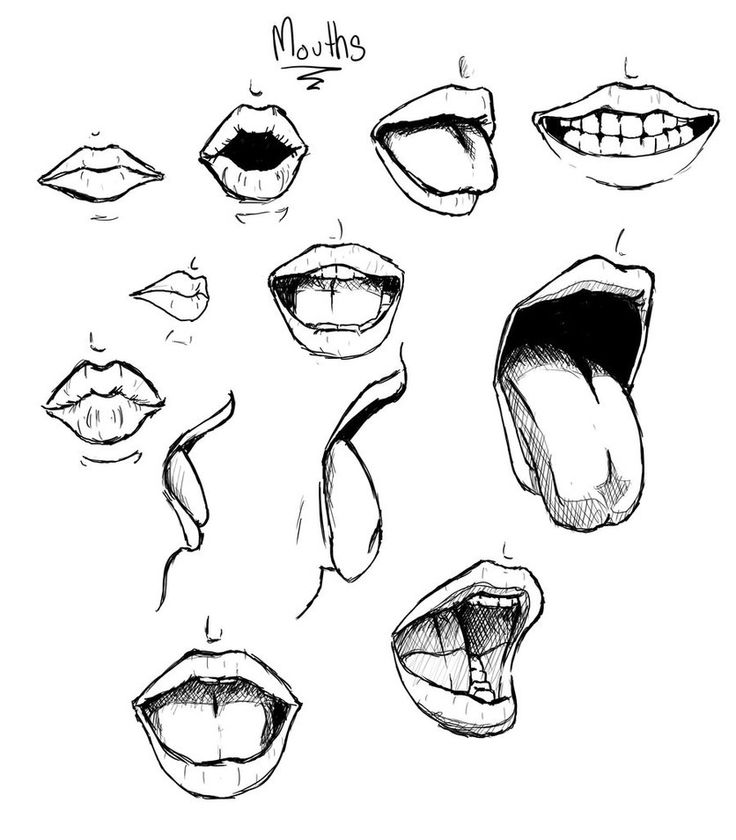
Step By Step Lip Drawing at GetDrawings Free download
Open Mouth Drawing Reference piccorn

Digital Painting Tutorials, Digital Art Tutorial, Art Tutorials

mouths Mouth drawing, Lips drawing, Art drawings
Web That Is Why I Have Put Together The Following 7 Cartoons, Comics, And Illustrative Mouths And Lips Reference Sheets.make Sure To Print Out These Cartoon Mouths And Lips Reference Sheets.
Then, Draw In Your Mouth Corners.
The First Step When Drawing An Open Mouth Is To Draw The Basic Outline.
Start With The Tooth At One End Of The Mouth, And Draw A Shallow Arc Over It.
Related Post: