
Convergent Boundary Drawing
Convergent Boundary Drawing - A convergent boundary (also known as a destructive boundary) is an area on earth where two or more lithospheric plates collide. One plate eventually slides beneath the other, a process known as subduction. Web a convergent plate boundary is a location where two tectonic plates are moving toward each other, often causing one plate to slide below the other (in a process known as subduction). Web convergent boundaries, also called destructive boundaries, are places where two or more plates move toward each other. Web simplified diagram of a convergent boundary. Web how to draw plate boundaries : Convergent plates move together and collide so you have compressional forces. The impact of the colliding plates can cause the edges of one or both plates to buckle up into a mountain ranges or one of the plates may bend down into a deep seafloor trench. 47k views 3 years ago. Convergent boundary movement is divided into two types, subduction and collision, depending on the density of the involved plates. Web convergent boundaries, where two plates are moving toward each other, are of three types, depending on the type of crust present on either side of the boundary — oceanic or continental. Web at some convergent boundaries, an oceanic plate collides with a continental plate. Web plate tectonics involves the movement and interaction of earth's crustal plates, leading to geological changes. Web when two plates come together, it is known as a convergent boundary. Convergent plates move together and collide so you have compressional forces. 47k views 3 years ago. Web convergent plate boundaries are locations where lithospheric plates are moving towards one another. Oceanic crust tends to be denser and thinner than continental crust, so the denser oceanic crust gets bent and pulled under, or subducted, beneath the. One plate eventually slides beneath the other, a process known as subduction. The plate collisions that occur in these areas can produce earthquakes, volcanic activity, and crustal deformation. One plate eventually slides beneath the other, a process known as subduction. 47k views 3 years ago. Web when two plates come together, it is known as a convergent boundary. Web simplified diagram of a convergent boundary. Web convergent boundaries, where two plates are moving toward each other, are of three types, depending on the type of crust present on. Web convergent boundaries, where two plates are moving toward each other, are of three types, depending on the type of crust present on either side of the boundary — oceanic or continental. Convergent boundary movement is divided into two types, subduction and collision, depending on the density of the involved plates. The collision of tectonic plates can result in earthquakes,. They are associated with active margins —locations where mountain building is occurring, resulting in numerous earthquakes and andesite (explosive) volcanoes. Web when two plates come together, it is known as a convergent boundary. Convergent boundary movement is divided into two types, subduction and collision, depending on the density of the involved plates. Oceanic crust tends to be denser and thinner. Convergent plates move together and collide so you have compressional forces. Web how to draw plate boundaries : Oceanic crust tends to be denser and thinner than continental crust, so the denser oceanic crust gets bent and pulled under, or subducted, beneath the. A convergent boundary (also known as a destructive boundary) is an area on earth where two or. Web a convergent plate boundary is a location where two tectonic plates are moving toward each other, often causing one plate to slide below the other (in a process known as subduction). Web at some convergent boundaries, an oceanic plate collides with a continental plate. They are associated with active margins —locations where mountain building is occurring, resulting in numerous. Web plate tectonics involves the movement and interaction of earth's crustal plates, leading to geological changes. The plate collisions that occur in these areas can produce earthquakes, volcanic activity, and crustal deformation. Divergent boundaries create new crust, while convergent boundaries, where plates collide, can form mountains, island. Web a convergent plate boundary is a location where two tectonic plates are. The plate collisions that occur in these areas can produce earthquakes, volcanic activity, and crustal deformation. Divergent boundaries create new crust, while convergent boundaries, where plates collide, can form mountains, island. Web a convergent plate boundary is a location where two tectonic plates are moving toward each other, often causing one plate to slide below the other (in a process. Web how to draw plate boundaries : Web convergent plate boundaries. Web convergent boundaries, also called destructive boundaries, are places where two or more plates move toward each other. Web a convergent plate boundary is a location where two tectonic plates are moving toward each other, often causing one plate to slide below the other (in a process known as. Web when two plates come together, it is known as a convergent boundary. Web at some convergent boundaries, an oceanic plate collides with a continental plate. The collision of tectonic plates can result in earthquakes, volcanoes, the formation of mountains, and other geological events. Convergent boundary movement is divided into two types, subduction and collision, depending on the density of. 47k views 3 years ago. A convergent boundary (also known as a destructive boundary) is an area on earth where two or more lithospheric plates collide. Convergent plates move together and collide so you have compressional forces. Web simplified diagram of a convergent boundary. Web how to draw plate boundaries : Web convergent plate boundaries. A convergent boundary (also known as a destructive boundary) is an area on earth where two or more lithospheric plates collide. 47k views 3 years ago. Divergent boundaries create new crust, while convergent boundaries, where plates collide, can form mountains, island. Convergent , divergent and transform. Web plate tectonics involves the movement and interaction of earth's crustal plates, leading to geological changes. Convergent plates move together and collide so you have compressional forces. Web at some convergent boundaries, an oceanic plate collides with a continental plate. Web simplified diagram of a convergent boundary. Convergent boundary movement is divided into two types, subduction and collision, depending on the density of the involved plates. Web convergent plate boundaries are locations where lithospheric plates are moving towards one another. Web a convergent plate boundary is a location where two tectonic plates are moving toward each other, often causing one plate to slide below the other (in a process known as subduction). Web convergent boundaries, where two plates are moving toward each other, are of three types, depending on the type of crust present on either side of the boundary — oceanic or continental. Web convergent boundaries, also called destructive boundaries, are places where two or more plates move toward each other. The impact of the colliding plates can cause the edges of one or both plates to buckle up into a mountain ranges or one of the plates may bend down into a deep seafloor trench. Web how to draw plate boundaries :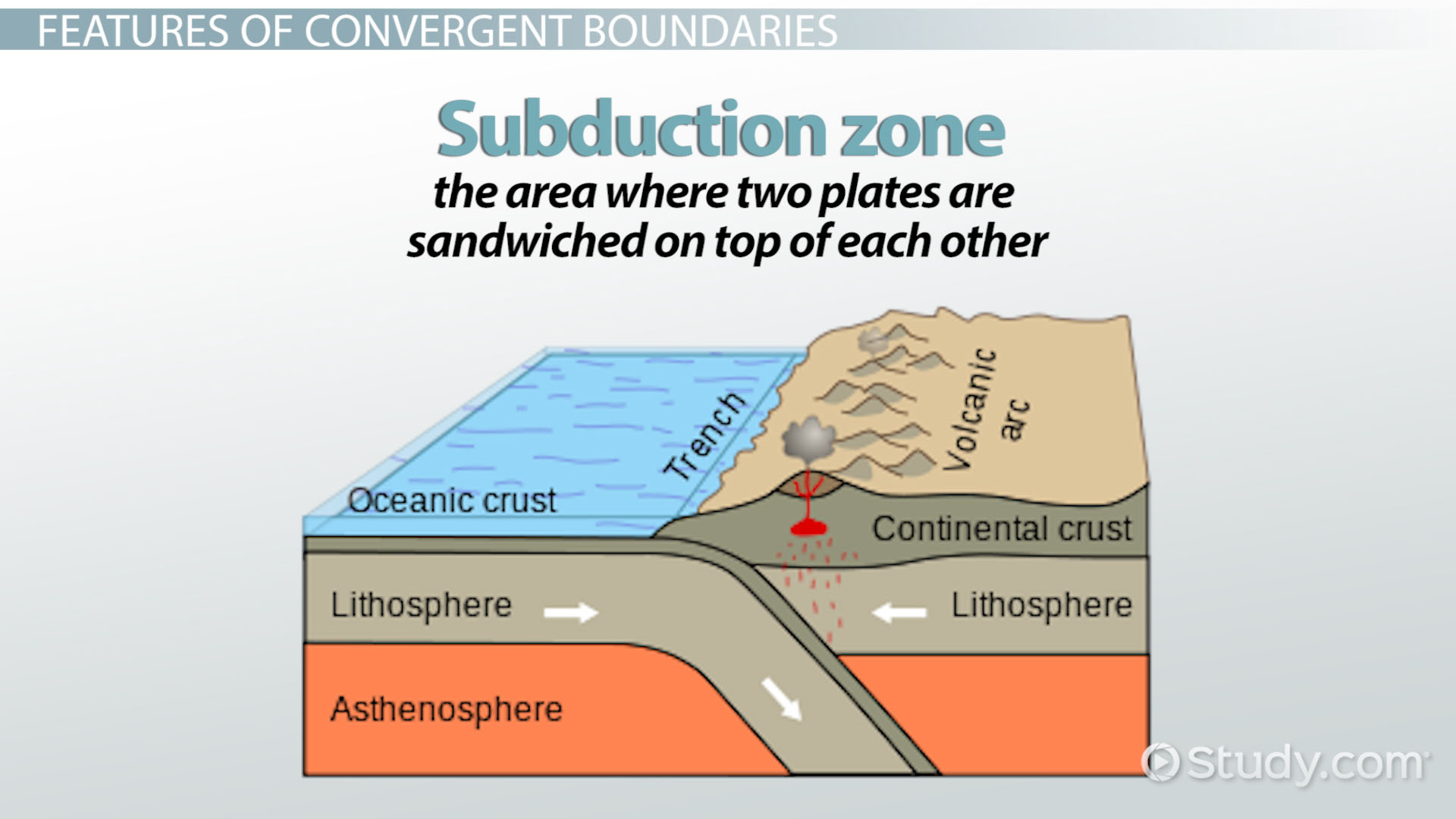
Convergent Boundary Definition, Facts & Examples Video & Lesson

Tectonic Plates Education site
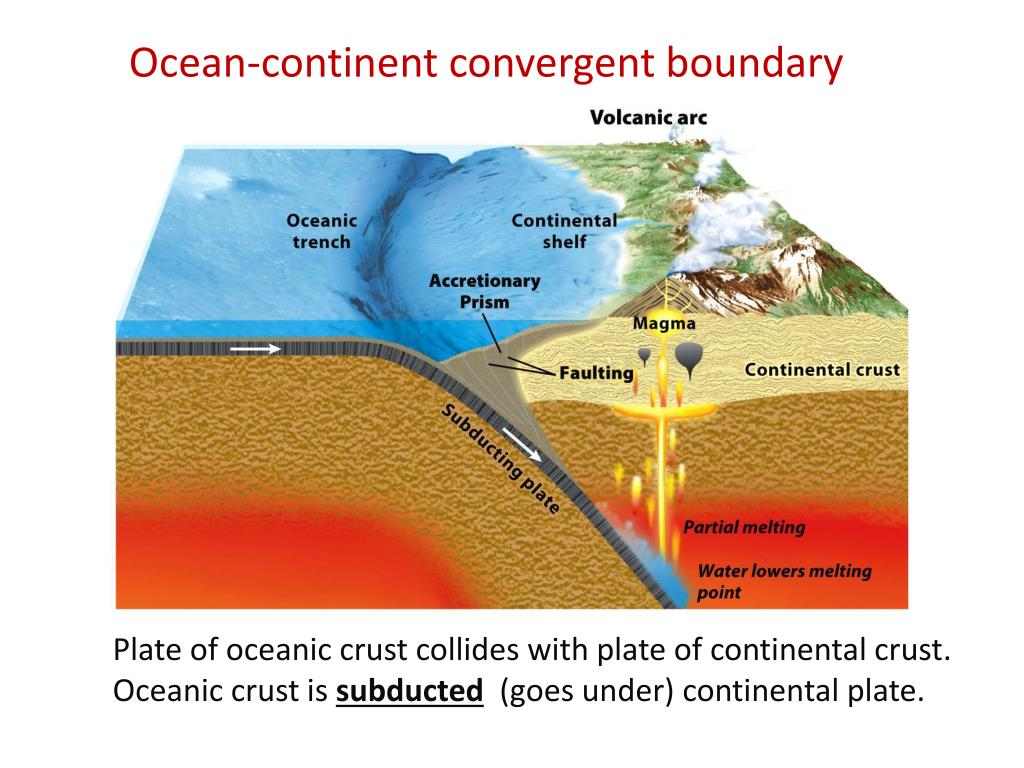
PPT Convergent boundary 3 types PowerPoint Presentation, free
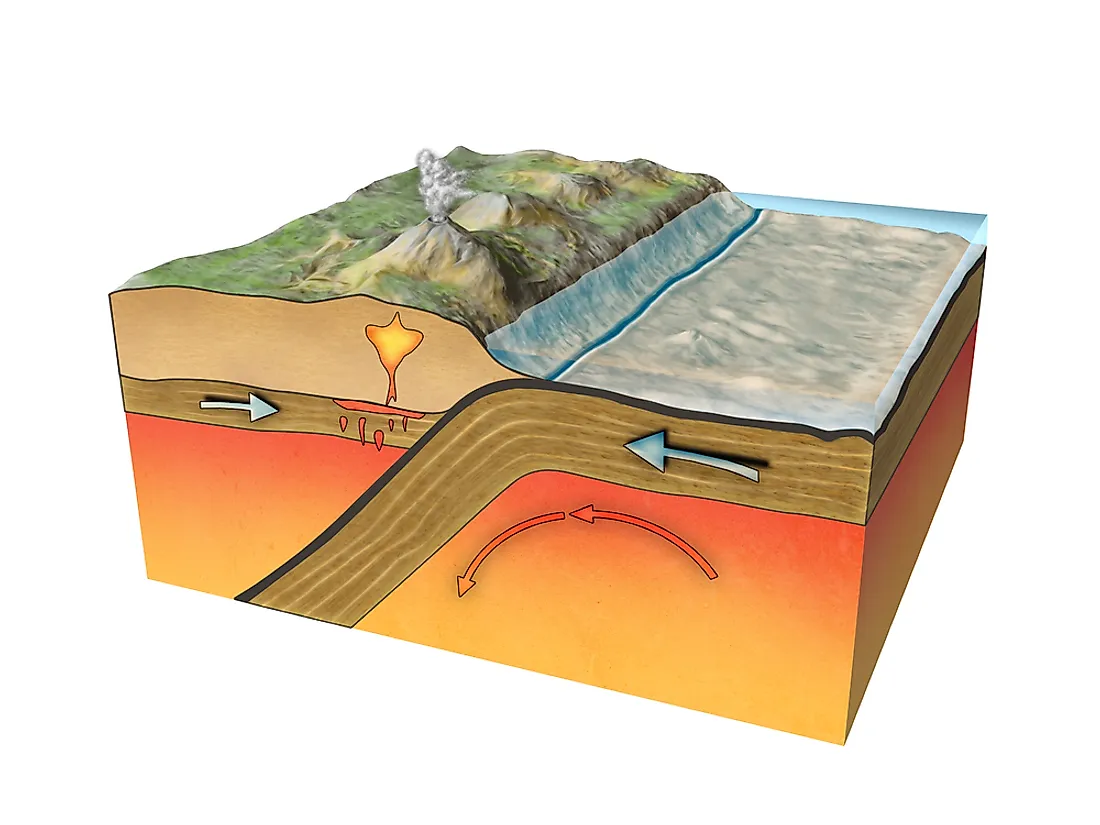
How Earthquakes Occur At Convergent Plate Boundaries The Earth Images

Plate Tectonics Convergent Boundaries
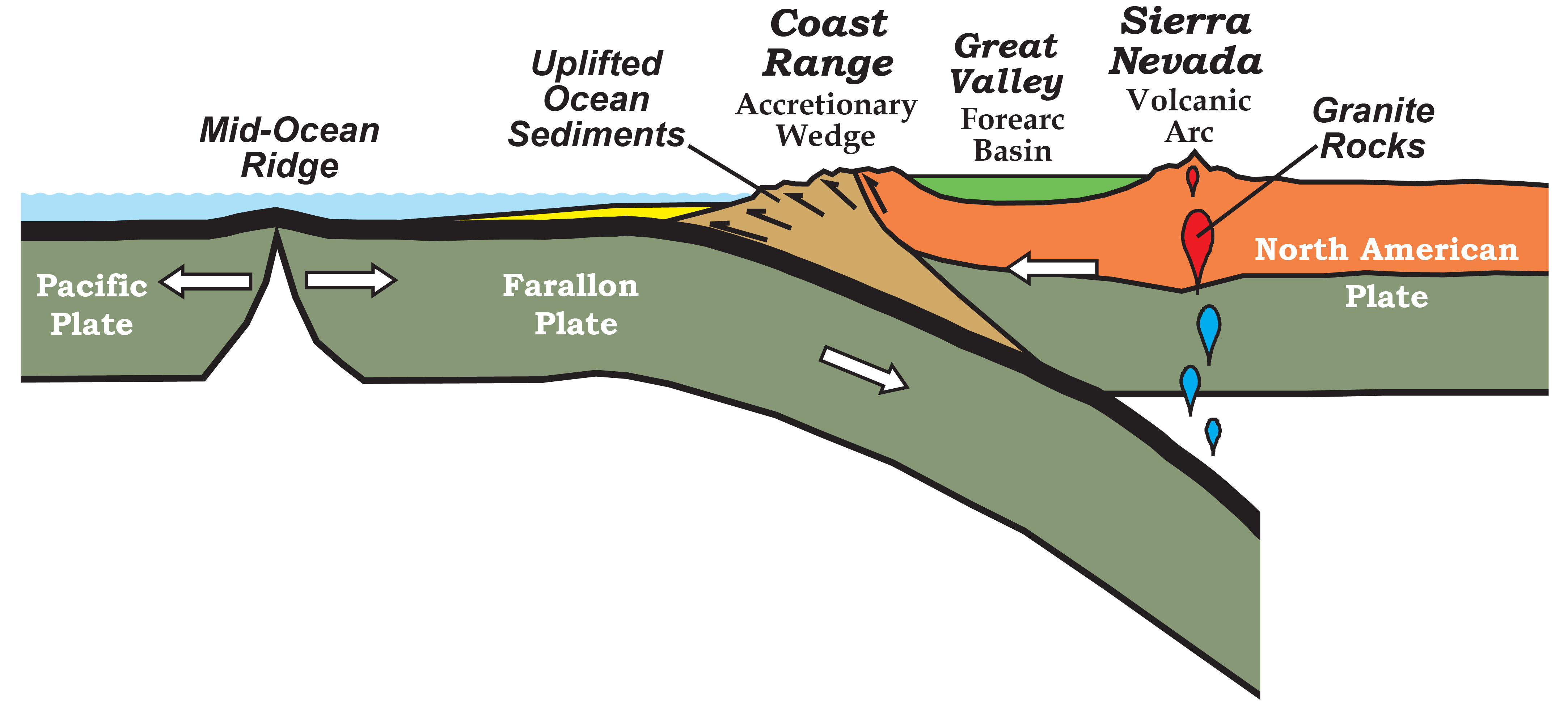
Continent To Continent Convergent Plate Boundaries
/b8f413db-8bdd-44b8-a0c2-9cc209028ede-56c559863df78c763fa33ff9.png)
What Is a Convergent Plate Boundary?
:max_bytes(150000):strip_icc()/Oceanic-continental_destructive_plate_boundary_LABELED1-56c559c43df78c763fa341bf.png)
Introduction to Convergent Plate Boundaries
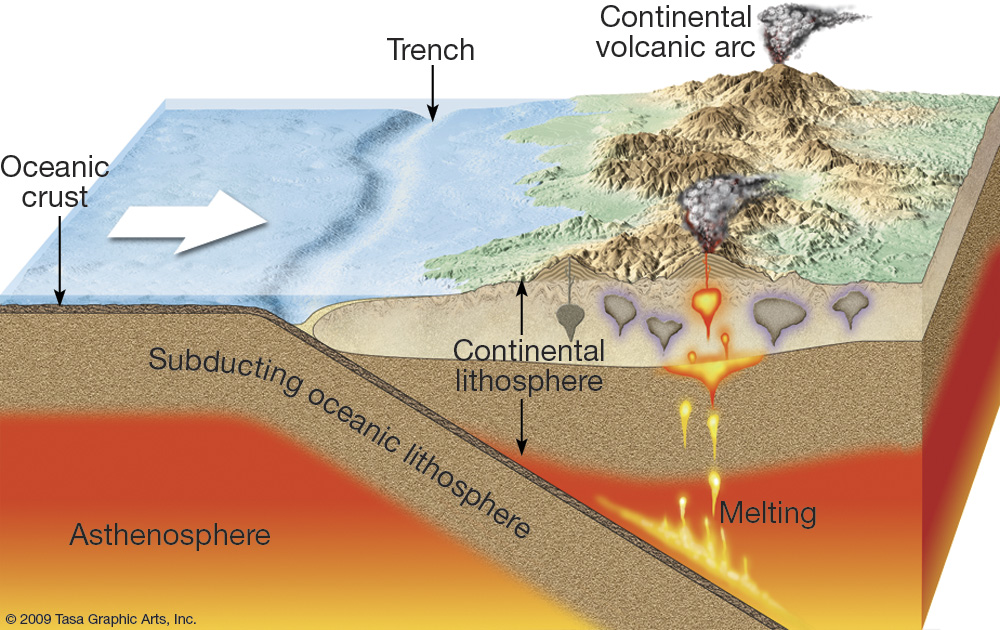
Convergent Boundaries EXPLORE LEARN

2 Schematic representation of the three types of plate boundaries
One Plate Eventually Slides Beneath The Other, A Process Known As Subduction.
The Plate Collisions That Occur In These Areas Can Produce Earthquakes, Volcanic Activity, And Crustal Deformation.
They Are Associated With Active Margins —Locations Where Mountain Building Is Occurring, Resulting In Numerous Earthquakes And Andesite (Explosive) Volcanoes.
The Collision Of Tectonic Plates Can Result In Earthquakes, Volcanoes, The Formation Of Mountains, And Other Geological Events.
Related Post: